Headless Browser Cold Start Latency on Serverless Functions
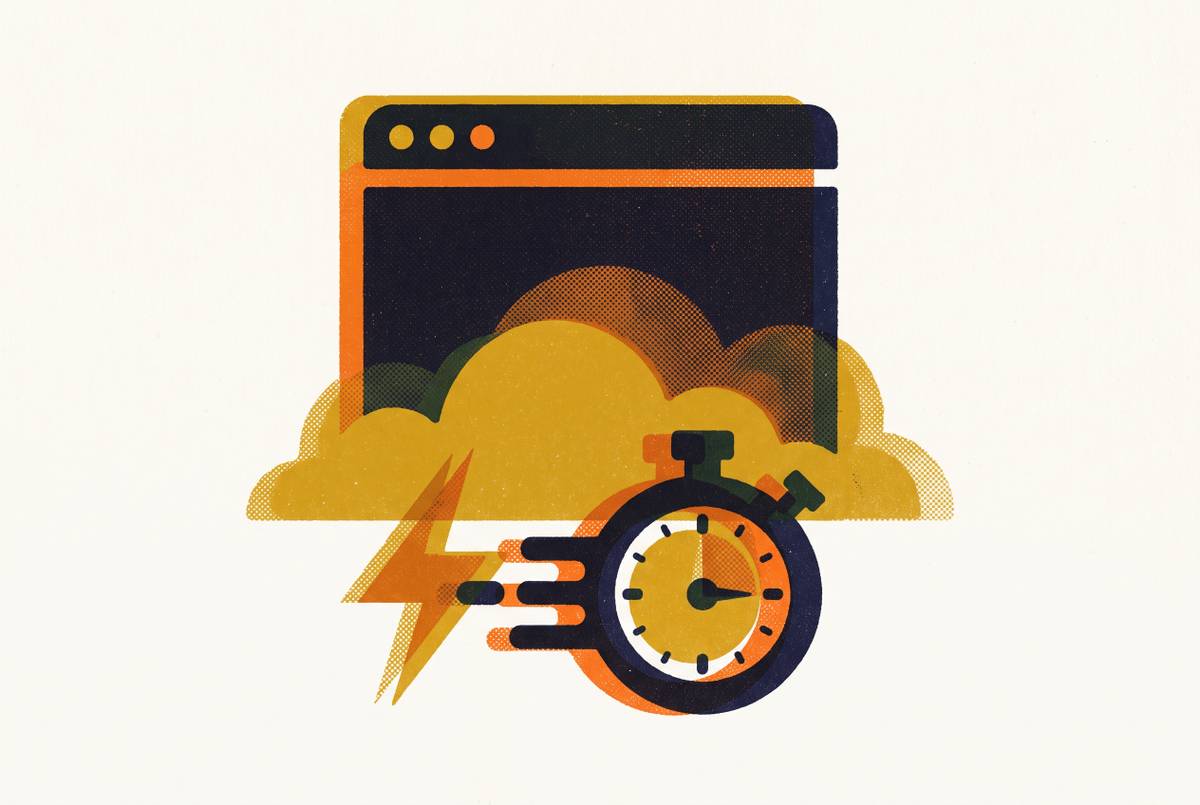
Chromium's cold starts on Lambda stretch 5 to 15 seconds, making synchronous tasks impractical.
Nico Whitfield
Section
17 stories in Headless Browser.
Chromium's cold starts on Lambda stretch 5 to 15 seconds, making synchronous tasks impractical.
Headless browsers strip rendering overhead.
Skip caching, and you pay twice for every render at scale.
Simulating slow networks in automated tests catches real-world performance gaps lab runs miss.
Catch silent failures by instrumenting the browser's runtime, console, and network layer separately.
Multiply a single browser's resource cost by your throughput target to size your pool correctly.
Mock APIs without touching live servers, keeping your tests fast and reliable.
Blocking unnecessary assets cuts scraping time by 2 to 3x and memory use dramatically.
Keep cookies and sessions alive across automation runs without silent failures.
Chrome's multi-process architecture consumes far more memory than developers expect.
Minimize dependencies and memory crashes by configuring the right base image and resource limits.
Headless browsers dodge detection by mimicking real users.
Async timing problems make SPA testing uniquely flaky and harder than traditional web apps.
Playwright's WebSocket architecture beats Selenium's HTTP overhead at scale.
SSR outperforms headless rendering on speed, cost, and Google's indexing priorities.
Modern headless browsers replaced aging engines with rendering fidelity that matches reality.
Chrome's new headless mode now renders CSS identically to the desktop browser.